
Though rich in natural resources, the Democratic Republic of the Congo (DRC) remains one of the poorest countries in the world, scarred by decades of armed conflict. Since 2004, violence has persisted in the east of the country, where more than 140 armed groups are reportedly active. South Kivu is amongst the provinces worst affected by conflicts involving children. More than 50 armed groups are said to maintain constant insecurity there, forcing civilians to flee.

The DRC is thought to have 18,200 children currently associated with armed forces and armed groups, and an estimated total of 175,000 since 1996. Recruited sometimes as young as 8, girls and boys are used as fighters, spies or porters, or are sexually exploited. Attacks on civilians, abductions, rape and looting make the DRC one of the countries with the largest numbers of internally displaced people.

Stop Child Soldiers — North Kivu, South Kivu and southern Maniema
Since 2021Local partner: Bureau pour le Volontariat au service de l’Enfance et de la Santé (BVES)

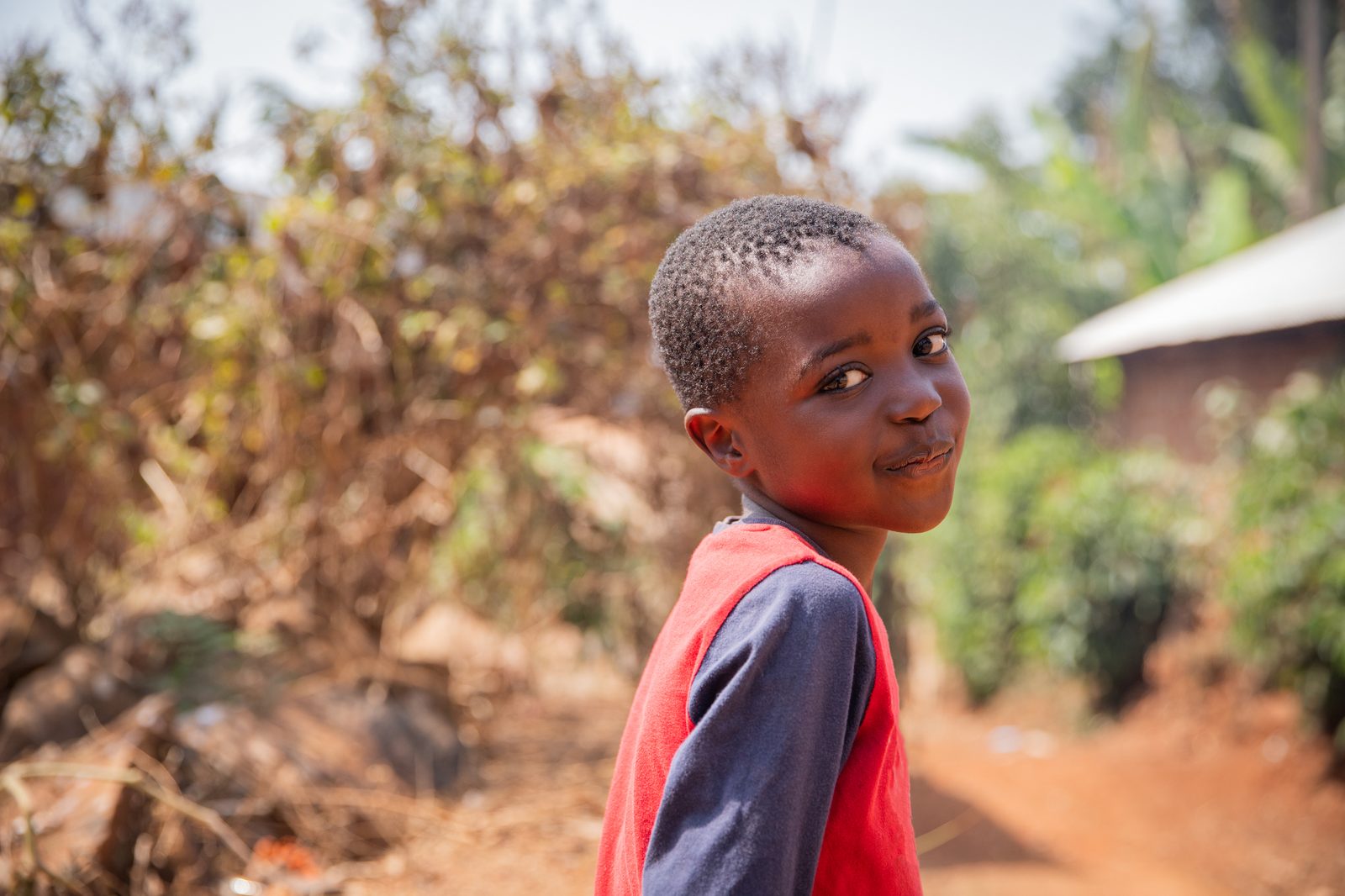
A child on a dirt path in the DRC
children supported
634
age of the beneficiaries
0–17 years

Every child taken in receives individualised support from the moment they leave the armed group to building their new life plan.

Lasting reintegration

  • Family tracing and reunification
  • Education and vocational training
  • Grants and kits for income generating activities

Protection

  • Release of children during demobilisation missions
  • Safe reception in transit and orientation centres (CTO)
  • Medical care, psychosocial support and a varied diet
  • Distribution of welcome kits

Capacity building

  • Finance and accounting
  • Communication
  • Fundraising

Advocacy

  • Dialogue with armed group leaders and the authorities to prevent the recruitment of children
Panzi — Bunyakiri & Kavumu

Since 2026Local partner: Panzi Foundation

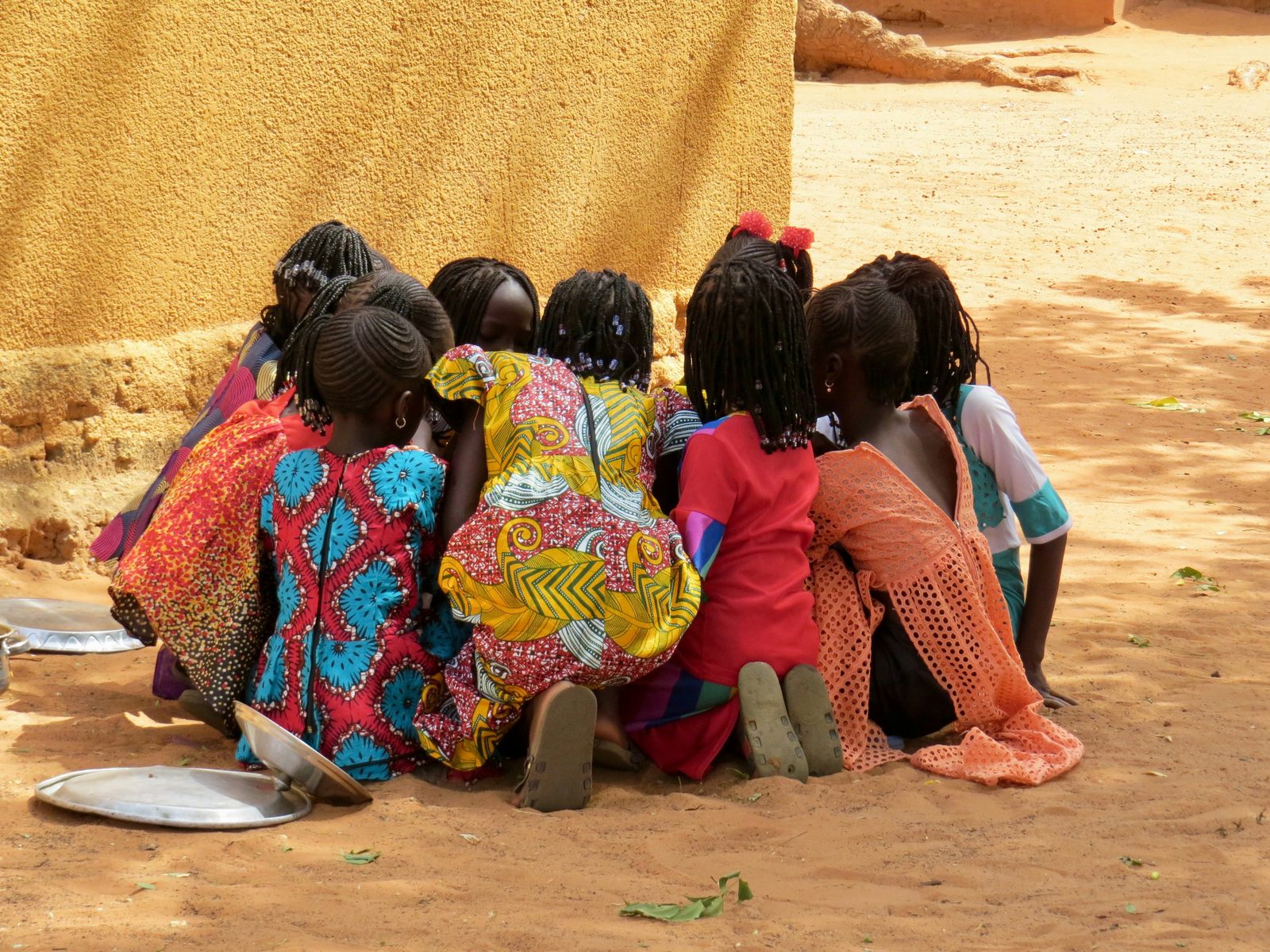
Children in colourful garments sit in a circle, seen from behind.
children supported
45
age of the beneficiaries
12–24 years

Ten years after receiving care, what has become of the girls who survived conflict-related sexual violence?

Evaluating the methodology

  • Collecting qualitative and quantitative data in the field
  • Evaluating our sustainable, systemic and culturally adapted methodology

Psychosocial assessment of the girls

  • Identifying the current needs of the girls and their mothers
  • Providing brief psychotherapeutic support
  • Referral to a specialised facility (Panzi Hospital, etc.) where needed

Scientific study

  • Contributing to a scientific article in collaboration with the University of Liège
Donate